


Adelaide University is now open!
This website is due to be retired. For all information related to the new Adelaide University — including study applications for 2026, details for commencing and current students, and Graduate Research — please visit adelaideuni.edu.au.

11 December 2025
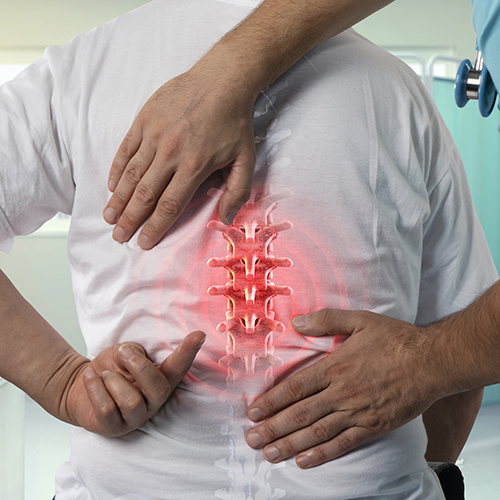 If you live with constant lower back pain, surgery can start to look like the only way out. Yet new research from the University of South Australia shows that it’s mindset, more than pain severity, that’s pushing people towards surgery they may not need.
Commissioned by digital health company MoreGoodDays, and published in the Australian Health Review, the study shows that negative beliefs about pain strongly predict how willing a person is to have spinal surgery.
The study surveyed 152 privately insured Australian adults about their pain intensity, daily activity limitations, pain knowledge and beliefs, and willingness to undergo spinal surgery. It found that 24% of people would consider surgery within five years.
Importantly, even a small increase in negative pain beliefs made a big difference: for every one-point rise, a person’s likelihood of considering surgery almost tripled.
In Australia, one in six people live with chronic back pain. But despite limited evidence supporting spinal surgery and other procedures for uncomplicated back pain, these surgeries remain common.
UniSA’s Dr Daniel Harvie says the findings highlight the need to reduce unnecessary surgeries by offering early, evidence-based education and multidisciplinary care.
“Chronic pain affects millions of Australians, yet it remains one of the most misunderstood and poorly managed health conditions,” Dr Harvie says.
“These results show that what people believe about their pain is just as important as the pain itself. But without the right tools or knowledge, too many are turning to high-risk, low value spinal surgeries.
“Contemporary pain science shows that pain is the brain’s protective response to threat, whether that’s physical or emotional. By addressing unhelpful beliefs early, we can reduce demand for unnecessary procedures and improve patient outcomes.”
Each spinal-fusion surgery in Australia can cost up to $46,000. In contrast, multidisciplinary pain programs deliver equal or better results for a fraction of the price, typically between $3000 to $8000, and without the risks of surgery.
MoreGoodDays is a digital health provider focused on making evidence-based, multidisciplinary pain care accessible at scale. CEO and Founder of MoreGoodDays Neala Fulia says access to supported pain recovery programs can help people manage chronic back pain and avoid unnecessary surgery.
“There’s a huge gap between what the science tells us works, and the information or service that people actually receive, and it’s this gap that drives me every day,” Fulia says.
MoreGoodDays has now secured an Australian first partnership with Bupa, where eligible members can access free membership to an eight-week, clinician-supported multidisciplinary pain-recovery program.
MoreGoodDays client Mandy Mercuri says the program has transformed her life. After living with chronic back pain for three decades and undergoing three spinal surgeries, she describes herself as active, engaged and empowered.
“It wasn’t until I understood how pain really works and learned how to calm my system instead of fighting it that things began to change,” she says.
Bupa Health Insurance Managing Director Kate Williams says the partnership will give thousands of Australians early access to support and new models of care outside the hospital system.
“We know many of our customers are suffering from chronic back pain, and this partnership will help make it easier to access care while getting more value from their health insurance,” Williams says.
“Partnerships like this enable the right care in the right place at the right time.”
…………………………………………………………………………………………………………………………
Contact for interview: UniSA - Dr Daniel Harvie, researcher E: Daniel.Harvie@unisa.edu.au
MoreGoodDays - Neala Fulia, CEO & Founder E: neala@moregooddays.com
UniSA Media contact: Annabel Mansfield M: +61 479 182 489 E: Annabel.Mansfield@unisa.edu.au